

Fintura

How Myccountant is bringing CIPC compliance back in-house with Fintura

Myccountant is an accounting practice in Sandton serving the SMME market: growing businesses and groups. Its founder, Graham Shapiro, runs the firm by deadlines in Fintura, keeps every client's information and compliance work in one place, and is bringing the CIPC compliance it once outsourced back in-house, with mandates generated in Fintura and sent for e-signature.

Danyca Wallis with Graham Shapiro

· 5 min read

Myccountant
Customer story
  • Back in-house

    CIPC compliance, after outsourcing it

    “We decided we were going to outsource all our CIPC compliance just because it became too burdensome, and we’re slowly now bringing it all back in.”

  • One place

    for every client’s information

    “We wanted all our clients’ information to be in one place and not pulling it from multiple sources.”

  • Stealth mode

    no penalties for clients to see

    “We want them not to see a penalty or this or that. So it’s almost like a stealth mode, making sure that we’re keeping everything clean.”

Myccountant at a glance

Location
Sandton, South Africa
Clients
SMMEs, growing businesses and groups
On Fintura since
May 2026
Before Fintura
Other practice management systems, a separate compliance tool and outsourced CIPC compliance
Connected
Read the transcript · 8:50

My name is Graham Shapiro. I'm the founder of Myccountant. We mainly serve the SMME market, you know, growing businesses, groups and things like that.

When you heard about Fintura, what made you make the move?

So I was looking for a practice management system and I'd been through most practice management systems and you know, I had different ideas of how practice management should work. And after going through it with my team, we realised we were going to become deadline-based as opposed to micro-task-based. And so I love the way that Fintura did it and it also looked nice. You want software to look nice and it looked nice and it was easy to use, easy to set up. and then there was obviously the compliance side that came in so we we were using a compliance tool which is no problem with it it's a great tool but we liked that now the practice management tool is now married to the compliance tool so so they work together from practice management point of view we wanted all our clients information to be in one place and not pulling it from multiple sources it's nice when it all sits in one place and you have a tool that can handle all the compliance tasks.

Is there anything that you're doing quicker or saving time on or saving money on that you're doing now with Fintura that you did differently before?

Well, on the CIPC side, I'm finding things are much quicker, especially with the built-in form that can go and get signed. So when you're doing like a mandate or anything like that, the fact that you can generate it from within Fintura, send it out. What I'm also really liking is when you do, you know, go generate like CIPC documents, it files it for you in the right place. So it might not save time, so much time today, but it will definitely save time going forward when you're looking for any documents because it's all just, it's just there. So we're finding that saving a lot of time. Also we can't, so we use Xero, Gatekeeper a lot, which has a connection into SARS and pushes, you know, PAYE returns and things like that. But we haven't been able to get every single client onto that if you don't hold the income tax profile. So Fintura is helping us to do those VAT returns and those PAYE returns about a year and a bit ago, we decided we were going to outsource all our CIPC compliance just because it became too burdensome and we're slowly now bringing bringing it all back in so but also you know before the days of beneficial ownership we actually didn't charge for it we didn't charge to do an annual return I felt I felt like I was robbing someone to do an annual return but now I've seen sort of what gets charged and what people willing to pay for it, so now it's becoming a service.

are you doing it through Fintura?

We're We're doing it through Fintura. there's a few things that happen in Fintura that just make things more efficient about it like you know even just creating the beneficial ownership structure and that little diagram it just did some things which can be burdensome Like, those type of things make it very easy to very easy to do. And there was a lot of, I mean, a lot of people look at it like it's not so bad doing a beneficial ownership declaration. Like I agree it's not, but sometimes it is. But when there's complex structures, you've got to draw all these things, then those ones are easier to do on Fintura.

Have your clients noticed anything since you've moved to Fintura?

No. Perfectly fine. So what we've noticed is becoming more efficient and we actually have, and I think it's a lot of the stuff in Fintura, the stuff that they don't notice, that they don't see, but are vitally important to their client. So we see it a lot and we see that we feel better that we've got more control over what's happening and have a better view of what's happening and make sure we don't miss anything. So we actually want them not to notice anything because we want them not to see a penalty or this or that. So it's almost like this it's like a stealth mode making sure that we're you know keeping everything clean.

Have you noticed a drop in those like missed deadlines or tasks or penalties since using Fintura?

Yeah, yeah, yeah, for sure. So, I mean, we're on Slack, but sometimes, you know, like if you're on a WhatsApp group, somebody asks you something and about you're in a meeting or you didn't have your phone for half an hour and 30, 40, 50 messages have gone and you miss that message. So now what we're doing is actually creating tasks for, you know, asking something but also creating a task on Fintura. So, you know, we can go and take care of that and those sort of things are not getting missed. So I find everyone knows what they need to do and that's why we went the deadline approach. I didn't want to go, oh, you did bank recon today, well done, take it off. But it's those little things that cause problems when there's a query or something's not responded to or because that's really the thing that makes a difference is I've got a question on this client and when you just sort it out you go okay well I'll get back to you then you don't because you didn't have a task.

What is your favourite feature on Fintura?

Oh okay, I do have a favourite feature. It's within a service that the communication actually happens within the service, and it's not a series of support emails that come in. So I think it's a, I don't know how many other people see that as their favourite feature, but I find it very, unless you guys, ... is an extremely underrated thing when you've dealt with multiple issues with, I don't want to say issues, multiple matters within a certain software and have multiple different support conversations in email where having just that in-service communication just makes like just makes it significantly easier Draftworx has the greatest support known to man, known to human beings that I've ever seen because it's that quick human interaction. And I think that little in-service conversation is on the right path to getting specific answers to specific issues without having to give a whole backstory. I just expect everything to work. So for me, they're not features, it's just the software. It's the thing.

If someone came to you and they're like, we're thinking about moving to Fintura, not sure about it, what would you tell them?

So number one, what are you trying to achieve here? And you need to at least check it out. You have to try it because it's one of the few systems that I've seen that's marrying all the compliance. There might be very old-fashioned ones out there. I'm not saying there aren't others, but it seems to be, if you're running an accounting business, you have to look at it the way I always look at software is, is it's not just what you have today, what are you planning to have in the next year. And I think from what I've heard from what Fintura are doing, I think it's they're trying to do things that no one else is really trying to do. And you would be very sorry with yourself if you didn't at least check it out.

Thank you. Very kind of you to say.

On this page

Fintura in one sentence

“I think they’re trying to do things that no one else is really trying to do.”

Graham ShapiroMyccountant

Graham Shapiro is the founder of Myccountant. The firm mainly serves “the SMME market, you know, growing businesses, groups and things like that”, and Graham has firm views on how practice management should work.

The before: every system, and a different idea

Graham had “been through most practice management systems”, and none of them worked the way he thought practice management should. Talking it through with his team, they settled on running the firm by deadlines rather than ticking off every small task.

“I didn’t want to go, oh, you did bank recon today, well done, take it off.”

Graham ShapiroFounder, Myccountant

The firm’s compliance work sat in a separate tool, and its CIPC compliance had been outsourced altogether, “just because it became too burdensome”.

Why Fintura

Fintura was built the way the team wanted to work. “We realised we were going to become deadline-based as opposed to micro-task-based. And so I love the way that Fintura did it.” It also looked good, “and it was easy to use, easy to set up.”
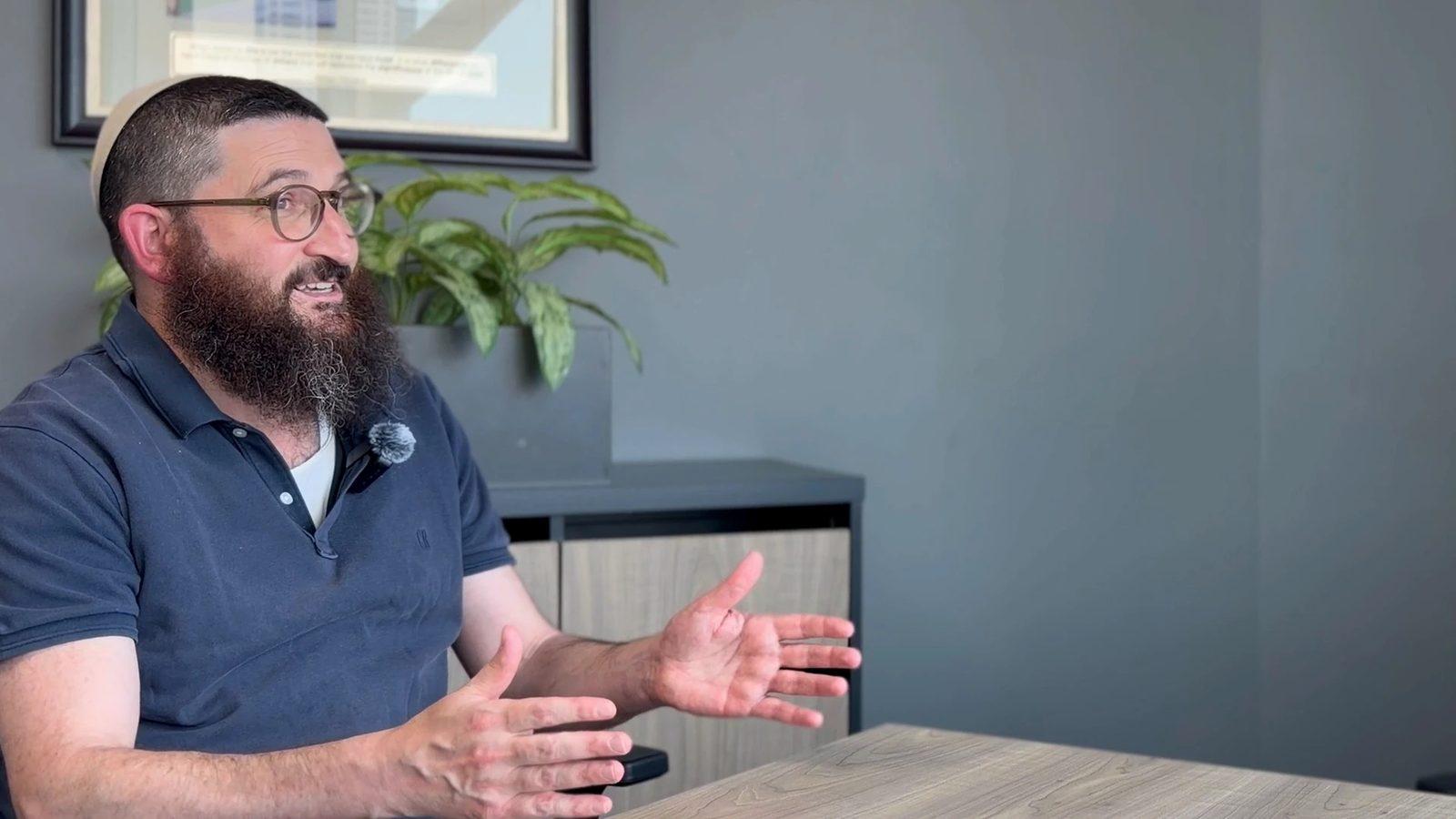
Graham Shapiro, founder of Myccountant, explaining how his firm works during the interview.
Graham Shapiro, founder of Myccountant, in the interview.

Then compliance joined practice management in the same place. “We wanted all our clients’ information to be in one place and not pulling it from multiple sources. It’s nice when it all sits in one place and you have a tool that can handle all the compliance tasks.”

Bringing CIPC back in-house

About a year and a bit ago, Myccountant outsourced all of its CIPC compliance. Now, through Fintura, it is “slowly now bringing it all back in”.

The work is quicker on the CIPC side, Graham says, especially with mandates that are built in and signed electronically: “The fact that you can generate it from within Fintura, send it out.” When Fintura generates CIPC documents, it saves them to the right client’s files.

“It might not save so much time today, but it will definitely save time going forward when you’re looking for any documents, because it’s just there.”

Graham ShapiroFounder, Myccountant

Annual returns have changed for the firm too. Before beneficial ownership, Myccountant didn’t charge for them: “I felt like I was robbing someone to do an annual return.” Having seen what gets charged and what clients are willing to pay, “now it’s becoming a service.”

A mandate generated in Fintura, ready for the client to sign on a phone. Illustrated with fictional data.

Beneficial ownership, even for complex structures

A simple beneficial ownership declaration isn’t hard, Graham says, “but sometimes it is”, especially when a group’s structure has to be drawn out. In Fintura the structure is added node by node, and Fintura works out the shareholding as the diagram comes together.

A group’s beneficial ownership structure, drawn in Fintura. Illustrated with fictional data.

“When there’s complex structures, you’ve got to draw all these things, then those ones are easier to do on Fintura.”

VAT and PAYE returns

Not every client’s returns can go through the firm’s other SARS-connected tool, because the firm doesn’t hold every client’s income tax profile. For those clients, “Fintura is helping us to do those VAT returns and those PAYE returns.”

Nothing slips through Slack or WhatsApp

Questions arrive everywhere. “You’re in a meeting or you didn’t have your phone for half an hour, and 30, 40, 50 messages have gone and you miss that message.” Now the team creates a task in Fintura for them, and “those sort of things are not getting missed”.

“I’ve got a question on this client, and when you just sort it out you go, okay, well, I’ll get back to you, then you don’t, because you didn’t have a task.”

Graham ShapiroFounder, Myccountant

With the work on deadlines, “everyone knows what they need to do, and that’s why we went the deadline approach.”

What clients notice

Have clients noticed the move? “No. Perfectly fine.” That’s the point. The team now has more control and a better view of what’s happening, and makes sure nothing is missed, all in work clients don’t see “but are vitally important” to them.

“We actually want them not to notice anything, because we want them not to see a penalty or this or that. So it’s almost like a stealth mode, making sure that we’re keeping everything clean.”

Graham ShapiroFounder, Myccountant

His favourite feature: the conversation stays with the work

Graham’s favourite feature is one he thinks is “an extremely underrated thing”: when the firm asks Fintura’s team for help with a service, the conversation happens inside that service, and “it’s not a series of support emails that come in.”

With several matters open at once, that keeps each answer with its work, and gets “specific answers to specific issues without having to give a whole backstory.”

The conversation with a compliance support agent, inside the service it is about. Illustrated with fictional data.

Myccountant + Fintura

A firm that runs by deadlines, keeps every client’s information and compliance work in one place, and is bringing its CIPC compliance back in-house, with nothing for clients to notice but a clean record.

Thinking about moving?

Graham says:

“You need to at least check it out. You have to try it, because it’s one of the few systems that I’ve seen that’s marrying all the compliance. And you would be very sorry with yourself if you didn’t at least check it out.”

Graham ShapiroFounder, Myccountant

Questions firms ask about this story

Myccountant is doing it. The firm outsourced all its CIPC compliance about a year and a bit ago because it had become too burdensome, and is now “slowly now bringing it all back in” through Fintura, as a service it offers its clients: mandates are generated in Fintura and sent for e-signature, and the CIPC documents Fintura generates are saved to the right client's files.

In Fintura. A simple declaration isn't hard, Graham Shapiro says, “but sometimes it is”, when a group's structure has to be drawn out: “When there’s complex structures, you’ve got to draw all these things, then those ones are easier to do on Fintura.”

A question that arrives on Slack or a WhatsApp group now becomes a task in Fintura, so “those sort of things are not getting missed”. The whole firm runs by deadlines rather than micro-tasks: “everyone knows what they need to do, and that’s why we went the deadline approach.”

Bring your CIPC work back in-house.

Consolidate your entire practice into one connected workspace. One login, and nothing slips.

Interactive demo